Organizing Student School Health Charts &a little bit of charting info too
.png)
School Nurses- Let's get organized!
I’ve come to embrace a healthy level of organization—especially at work! Over the years, I’ve realized it’s often easier for me to stay organized at the office than it is in my personal life (go figure, right?). In the school health office, organization isn’t just about tidy shelves or neat stacks of paper—it’s what makes our student health charts accurate, accessible, and meaningful when we need them most.
To keep things running smoothly, I rely on a few tried-and-true tools. These essentials not only keep me on top of the daily chaos but also help me stay one step ahead of the game (hopefully). And in the end, they all support one of the most important parts of our work: accurate, professional charting.
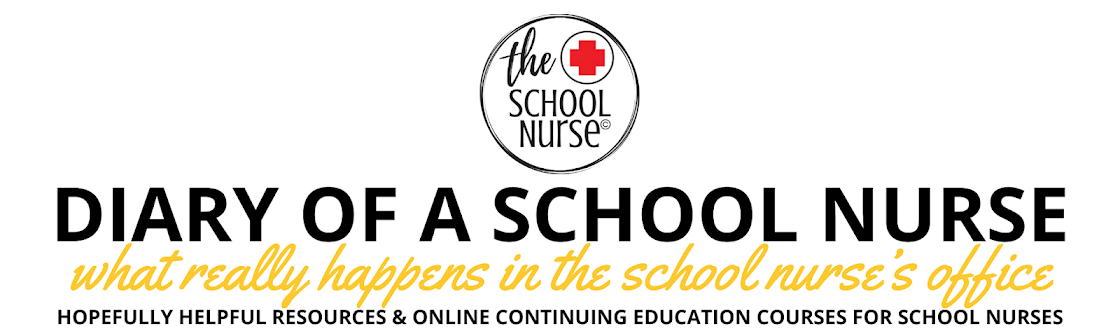
1. A file, paper, chart alphabetizer organizer!
This handy document sorter is a lifesaver in our school health office! We organize all paperwork alphabetically by last name, keeping it neat and accessible until it’s time to file.
Want to take it up a notch? If you have two document sorters, you could dedicate one to daily filing and the other to manage forms for your most pressing project—like handling physical exams and immunization records at the start of the school year.
Here’s a bonus: this product is even available in a left-handed version, ensuring it works for everyone on your team!
Typically, I only purchase decorative office items with my own money, but I made an exception for this document sorter, and I’m 100% satisfied. It’s practical, sturdy, and makes my busy days so much more manageable—totally worth it!
2. Clear, plastic bankers boxes!
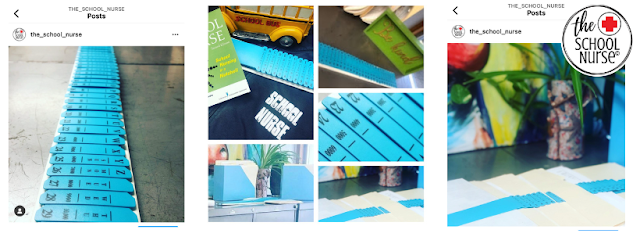
Plastic Bankers Boxes: A Must-Have for School Health Offices
Plastic bankers boxes are incredibly versatile and have become a game-changer in our school health office. After years of using cardboard boxes, I made the switch to plastic storage boxes—and I’ll never go back! These sturdy containers are perfect for a variety of projects and hold up much better over time.
At the start of the school year, we use these boxes to sort student health charts for incoming students into labeled piles, such as:
- Up-to-date – OK to file
- NEED physical and/or immunization records
- Review before filing
- Waiting to register
They help us stay organized during the busiest times of the year.
At the end of the school year, these boxes take on another important role. We store the school health folders of the graduating class in them, preparing for their 60-year storage journey. With over 1,000 students in my school, we typically use at least five boxes per graduating class to manage the load efficiently.
Switching to durable plastic storage boxes has made organizing student health records easier, more efficient, and better suited for long-term storage!
https://amzn.to/2Buabtp
3. Index Cards!
It might sound old-school, but we still use white index cards for charting student health information! Each student gets one card that we update throughout their school years until graduation. Some cards fill up quickly, while others remain nearly blank, holding nothing but their student ID label. On average, we go through at least 600 index cards each year!
As of 2018, our electronic charting system was limited to tracking specific information like student immunization records, physical examination dates, and medication inventory and administration.
By 2020, we transitioned to using Skyward for charting basic office visit information, which has been a game-changer for collecting more accurate and actionable health data. This system works wonderfully for logging and analyzing trends in school health visits, helping us better track and showcase the impact of our office.
💡 Want to improve your Skyward skills? Learn more about its features and how to make the most of this tool by signing up here: Skyward (original) Skills.
This shift has allowed us to balance the reliability of our traditional methods with the efficiency of electronic health records, creating a comprehensive approach to student health management.

.png)

4. Labels...
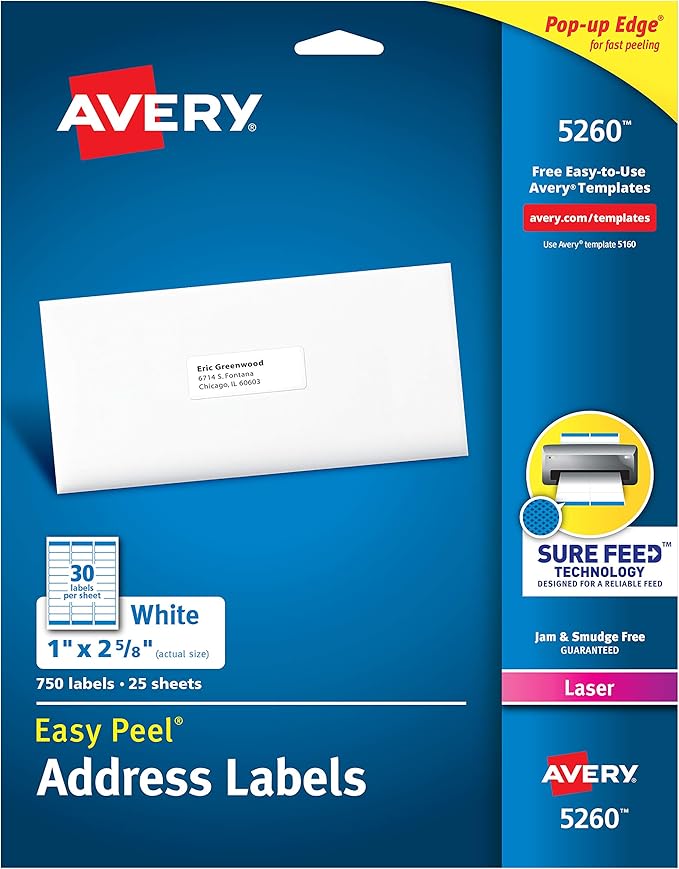
At our school health office, we organize student health records with precision. Each student gets a label placed in the upper left corner of their index card (mentioned earlier) and on their student health folder. These labels include:
- Student's last name, first name, middle initial
- Date of birth (DOB)
- Student ID number
Each year, we print two sets of labels for the incoming freshman class: one for their student health log card and one for their school health chart. This system ensures that our student health documentation is accurate, organized, and easy to access, streamlining the management of school health records.
This approach helps us keep everything in order, so we can focus on providing the best care for our students!
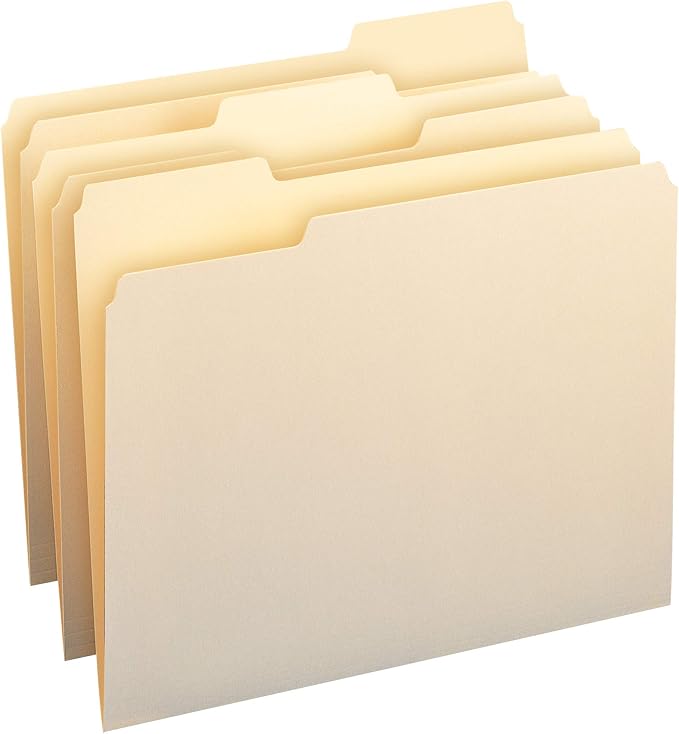
5. Student Health Charts-
Each student has their own student health chart, which serves as a comprehensive record of their health documents. For incoming freshmen, we use professionally printed labels for clarity, while transfer students and new enrollees will have handwritten details- unless you're reading this in 2025- because this is the year we decided (which means we learned how) to print labels for any student throughout the school year! Depending on the school year, we typically prepare 300-500 health charts to ensure every student’s records are properly organized!
At the front of each chart, we place the most current school physical exam and immunization records for quick and easy access. Behind these, we file additional documents, such as doctor’s notes, dental forms, and vision exam results, all arranged by date for streamlined organization.
This efficient health record system allows us to access vital student health information quickly, ensuring seamless care and compliance with school health requirements!
https://amzn.to/2OVeO31
6. Documentation-
When it comes to school nursing, documentation isn’t just “paperwork”—it’s your professional record of what happened, when it happened, and how you responded. Whether it’s an office visit, a phone call with a parent, or even an email from a teacher, keeping clear and consistent notes protects you and supports the student’s continuity of care.
The best format for documenting interactions is objective, concise, and standardized:
-
Stick to the facts: Record what you see, hear, and do. Avoid opinions or assumptions.
-
Use a framework: Many school nurses prefer SOAP notes (Subjective, Objective, Assessment, Plan) or PIE notes (Problem, Intervention, Evaluation). Both help capture critical information in a consistent way.
-
Track communication: Document the date, time, and a brief summary of phone calls or emails with families, staff, or healthcare providers.
-
Stay professional: Write with neutral, clinical language, knowing your notes may later be reviewed by administrators, parents, or even in a legal setting.
Good charting provides a reliable timeline of student care, strengthens communication, and demonstrates your role as a healthcare professional in the school setting.
👉 For a deeper dive, check out the posts linked HERE and HERE.

.png)

Check out these other popular DOASN blog posts & product links.
.png)
.png)

.png)



.JPG "Are you a school nurse wondering how to set up your current nurse office? Or maybe you're a school nurse trying to decorate the school health center?")


