Tuesday, November 27, 2018

Top Nurse Blog Since 2018

Top Ranked Nurse Blogs

+ this post contains affiliate links +

Diary of a School Nurse: A Journey to the Top – Thanks to You!

It hasn’t happened overnight, but I’m incredibly thankful for this amazing milestone! πŸ©ΊπŸ’™ What started as a fun hobby—a way to share tips, resources, and encouragement with fellow school nurses—has grown into something I could have never imagined. Thanks to your incredible support over the years, Diary of a School Nurse has been recognized as one of the Top Nursing Blogs since 2018!

And now, I’m beyond excited to share that we’ve once again been named one of the Top 10 School Nurse Blogs for 2024 by FeedSpot! This honor reflects years of dedication, creativity, and, most importantly, the incredible community of school nurses who have supported and encouraged me along the way.

The Journey

The path to this recognition has been both challenging and rewarding. Whether it was late nights writing blog posts, brainstorming content ideas, or connecting with all of you through comments and messages, each moment has been worth it. Sometimes I find out about these honors through an email, other times I stumble upon them unexpectedly—but each time, it feels just as surreal.

This blog was founded in 2012 and since 2018, Diary of a School Nurse has been included in multiple "Best Nursing Blogs" lists, and this year’s recognition is a testament to the incredible school nurse community that inspires me every day. You never know where one small decision will lead you. What began as a fun side project has grown into a top-ranked nursing blog, offering encouragement, support, and practical advice to school nurses across the globe.

A Big Thank You

To my readers, supporters, and fellow school nurses: Thank you from the bottom of my heart! Your engagement, encouragement, and feedback keep me motivated to continue creating and sharing.

Explore the List

If you’re looking for even more inspiration, take a moment to check out the full list of Top 10 School Nurse Blogs for 2024. There are so many talented and insightful nurses sharing their experiences, tips, and resources. You can find the full list here and have fun exploring other amazing blogs!

Moving Forward

As we celebrate this milestone, I’m excited to continue creating content that supports and uplifts school nurses. From helpful tips to Continuing Education (CE) courses, my goal is to keep empowering our community.

Here’s to another year together! 🩺


 Check out these other popular DOASN blog posts & product links.


Tuesday, August 28, 2018

Organizing Student School Health Charts


Organizing Student School Health Charts &
a little bit of charting info too

                                                       +this post contains affiliate links+


Hopefully Helpful School Nurse Tip: Paperwork, paperwork, paperwork- the life of a school nurse does include a lot of paperwork! Keeping your papers organized will save you time in the future!

School Nurses- Let's get organized!


I’ve come to embrace a healthy level of organization—especially at work! Over the years, I’ve realized it’s often easier for me to stay organized at the office than it is in my personal life (go figure, right?). In the school health office, organization isn’t just about tidy shelves or neat stacks of paper—it’s what makes our student health charts accurate, accessible, and meaningful when we need them most.

To keep things running smoothly, I rely on a few tried-and-true tools. These essentials not only keep me on top of the daily chaos but also help me stay one step ahead of the game (hopefully). And in the end, they all support one of the most important parts of our work: accurate, professional charting.

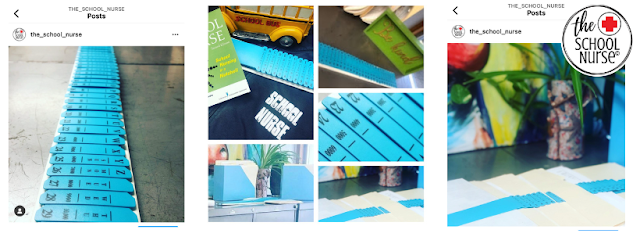
1. A file, paper, chart alphabetizer organizer!  

This handy document sorter is a lifesaver in our school health office! We organize all paperwork alphabetically by last name, keeping it neat and accessible until it’s time to file.

Want to take it up a notch? If you have two document sorters, you could dedicate one to daily filing and the other to manage forms for your most pressing project—like handling physical exams and immunization records at the start of the school year.

Here’s a bonus: this product is even available in a left-handed version, ensuring it works for everyone on your team!

Typically, I only purchase decorative office items with my own money, but I made an exception for this document sorter, and I’m 100% satisfied. It’s practical, sturdy, and makes my busy days so much more manageable—totally worth it!


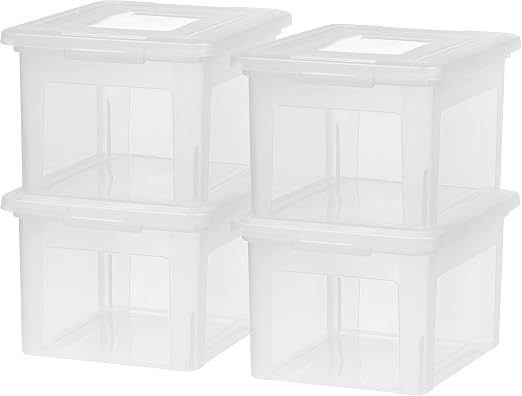
2. Clear, plastic bankers boxes!  

Plastic Bankers Boxes: A Must-Have for School Health Offices

Plastic bankers boxes are incredibly versatile and have become a game-changer in our school health office. After years of using cardboard boxes, I made the switch to plastic storage boxes—and I’ll never go back! These sturdy containers are perfect for a variety of projects and hold up much better over time.

At the start of the school year, we use these boxes to sort student health charts for incoming students into labeled piles, such as:

  • Up-to-date – OK to file
  • NEED physical and/or immunization records
  • Review before filing
  • Waiting to register

They help us stay organized during the busiest times of the year.

At the end of the school year, these boxes take on another important role. We store the school health folders of the graduating class in them, preparing for their 60-year storage journey. With over 1,000 students in my school, we typically use at least five boxes per graduating class to manage the load efficiently.

Switching to durable plastic storage boxes has made organizing student health records easier, more efficient, and better suited for long-term storage!

https://amzn.to/2Buabtp


IRIS USA FB-21EE Letter and Legal Size File Box, Letter & Legal, Clear, 4 Pack

3.  Index Cards! 

It might sound old-school, but we still use white index cards for charting student health information! Each student gets one card that we update throughout their school years until graduation. Some cards fill up quickly, while others remain nearly blank, holding nothing but their student ID label. On average, we go through at least 600 index cards each year!

As of 2018, our electronic charting system was limited to tracking specific information like student immunization records, physical examination dates, and medication inventory and administration.

By 2020, we transitioned to using Skyward for charting basic office visit information, which has been a game-changer for collecting more accurate and actionable health data. This system works wonderfully for logging and analyzing trends in school health visits, helping us better track and showcase the impact of our office.

πŸ’‘ Want to improve your Skyward skills? Learn more about its features and how to make the most of this tool by signing up here: Skyward (original) Skills.

This shift has allowed us to balance the reliability of our traditional methods with the efficiency of electronic health records, creating a comprehensive approach to student health management.


4.  Labels... 

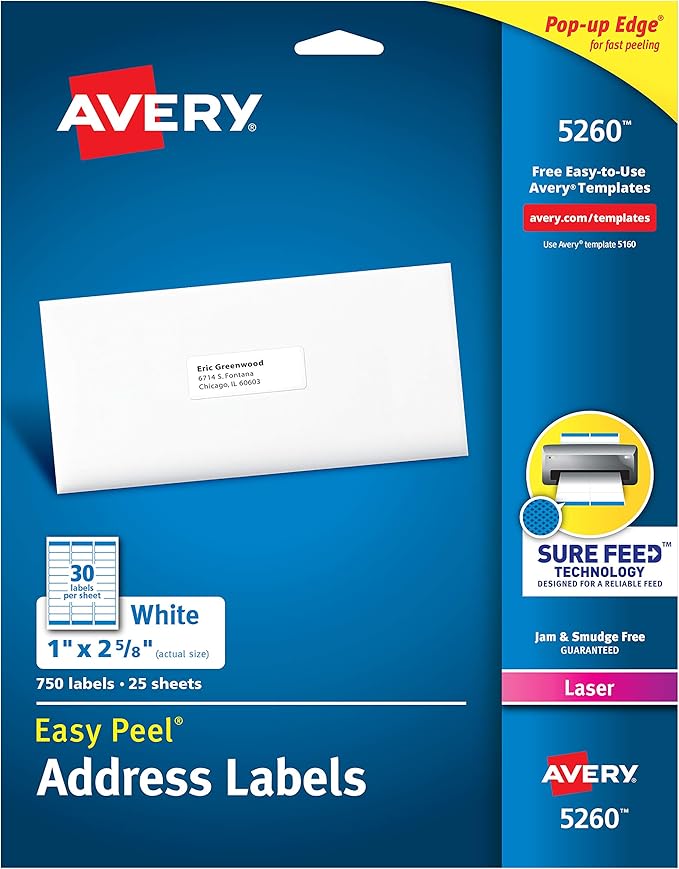
At our school health office, we organize student health records with precision. Each student gets a label placed in the upper left corner of their index card (mentioned earlier) and on their student health folder. These labels include:

  • Student's last name, first name, middle initial
  • Date of birth (DOB)
  • Student ID number

Each year, we print two sets of labels for the incoming freshman class: one for their student health log card and one for their school health chart. This system ensures that our student health documentation is accurate, organized, and easy to access, streamlining the management of school health records.

This approach helps us keep everything in order, so we can focus on providing the best care for our students!


AVERY  Address Labels with Sure Feed for Laser Printers, 1" x 2-5/8", 750 Labels (5260), White

5. Student Health Charts- 

Each student has their own student health chart, which serves as a comprehensive record of their health documents. For incoming freshmen, we use professionally printed labels for clarity, while transfer students and new enrollees will have handwritten details- unless you're reading this in 2025- because this is the year we decided (which means we learned how) to print labels for any student throughout the school year! Depending on the school year, we typically prepare 300-500 health charts to ensure every student’s records are properly organized!

At the front of each chart, we place the most current school physical exam and immunization records for quick and easy access. Behind these, we file additional documents, such as doctor’s notes, dental forms, and vision exam results, all arranged by date for streamlined organization.

This efficient health record system allows us to access vital student health information quickly, ensuring seamless care and compliance with school health requirements!


https://amzn.to/2OVeO31


AmazonBasics 1/3-Cut Tab, Assorted Positions File Folders, Letter Size, Manila - Pack of 100

Keeping student health charts organized is only half the job—what you write in them matters just as much. All those files, folders, and labels keep things neat, but it’s the documentation inside that really tells the student’s health story.

Good notes don’t just help you remember what happened yesterday—they make it easier to spot patterns, share accurate updates with families and staff, and show the level of care you provide every single day.

And honestly, documentation is what protects both the student and you if questions ever come up down the road. Even the most perfectly labeled chart isn’t useful if the notes inside aren’t clear.

6. Documentation- 

When it comes to school nursing, documentation isn’t just “paperwork”—it’s your professional record of what happened, when it happened, and how you responded. Whether it’s an office visit, a phone call with a parent, or even an email from a teacher, keeping clear and consistent notes protects you and supports the student’s continuity of care.

The best format for documenting interactions is objective, concise, and standardized:

  • Stick to the facts: Record what you see, hear, and do. Avoid opinions or assumptions.

  • Use a framework: Many school nurses prefer SOAP notes (Subjective, Objective, Assessment, Plan) or PIE notes (Problem, Intervention, Evaluation). Both help capture critical information in a consistent way.

  • Track communication: Document the date, time, and a brief summary of phone calls or emails with families, staff, or healthcare providers.

  • Stay professional: Write with neutral, clinical language, knowing your notes may later be reviewed by administrators, parents, or even in a legal setting.

Good charting provides a reliable timeline of student care, strengthens communication, and demonstrates your role as a healthcare professional in the school setting.

πŸ‘‰ For a deeper dive, check out the posts linked HERE and HERE.


 Check out these other popular DOASN blog posts & product links.


Friday, July 21, 2017

New School Nurse, New School Year- Now what?

I'm a New School Nurse- Now What?

+ this post contains affiliate links +


Hopefully Helpful School Nurse Tip: Many school nurses don’t get a proper orientation or a mentor when they start, and if that sounds familiar, you’re not alone. If you can, try to find a school nurse mentor who can help guide you along the way. Whether it’s connecting with other nurses online or finding someone in your school district, having that support can really make a difference. 

I’m a New School Nurse, and I Have No Idea What to Do...

Many new school nurses are excited to begin their careers, but it’s not uncommon to also feel a little overwhelmed. Orientation periods can be short, and finding a mentor can sometimes feel like a challenge. On top of that, school nurses are often the only medical professionals in a building full of educators, students, and staff, which can add to the feeling of being isolated. Navigating this new role can be tough, but with the right support and resources, you don’t have to do it alone.


In the early years of my school nursing journey, I often found myself working outside of my contracted hours—coming in early, staying late, working extra in the summer, and even putting in time on evenings and weekends. While I knew I wouldn’t be paid for this extra time, I was OK with it because having an organized school nurse’s office made it worth the effort.

You’ll need to decide if this trade-off is right for you. If you’re wondering what I was working on, below are the top three things I focused on that helped make my school nurse office (and my life!) a little easier each new school year. 


1. Organizing My Office

  • Take time to organize your office!  Think about the space you have and how you can make the most of it. Consider setting up workstations within your space—maybe a 'treatment' area for helping students, a dedicated space for organizing your supplies, and a desk area for all that paperwork (trust me, there will be mountains of it!). If you're lucky, you might even have a rest/quiet area for students, too. Having designated areas for your items helps define the space for both you and the students and staff who use it. I personally enjoy decorating my office to make it feel welcoming and functional. You can see a few pictures on The School Nurse Instagram Page and shop some school nurse office decoration ideas on The School Nurse Amazon Storefront Page!
                                           

2. Student Compliance & Parent Communication

  • Do you get paid extra to work during the summer? Many school districts offer nurses extra paid days at the start or end of the school year. For example, I receive 10 extra paid days and I focus on these things:

    • Review incoming student school health records and charts, paying special attention to students with health concerns. Add health conditions to Skyward health portal.

    • Enter immunization records in Skyward, check immunization compliance and reach out to families whose children are out of compliance.

    • Collect updated medication forms, gather emergency action plans, send out staff email regarding the nurse's office guidelines and health concern updates. 

    • Communicate with families (via Skyward message center) about our yearly dental clinic and Moms Who Care program and offer a sign up forms. 

Know the school health requirements for your state, then decide how you’ll track students who aren't in compliance. Good record-keeping in this area will save you time later! I use a combination of Google Sheets and Skyward processing lists for this task.

For my Google sheet, I include columns for: name, grade, date of entrance, date due, required items, and a comments section to document when and how I’ve contacted parents/students. As items are turned in, I delete names unless I need the information for state reporting later in the year—then I simply move it down on the sheet. 

Learn more about why schools have health requirements HERE.


View a variety of digital school nurse resources on The School Nurse Teachers Pay Teachers storefrontRead these other DOASN blog posts for additional help: 

School Health History Form

 Emergency Bag for School Nurses

 Health Information- Digital Teacher Tips Cards

3. Ordering Needed Supplies

  • Before every school year, I also take time to review and restock office supplies. I have a list of essential items like bandages, gloves, ice pack baggies, etc. This also included expiration dates on your AED pads and batteries—these are often overlooked but critical in an emergency, and updating my monthly AED checklist. Ordering early ensures you have everything you need before the school year gets busy! Click the pictures below for more information on budgeting and supplies!


I want to end this DOASN blog post by saying...

As you become more familiar with the duties and tasks of being a school nurse, you'll develop better time management and the ability to prioritize. There will come a day when you won't need to put in those extra unpaid hours because you’ll have a routine that works for both you and your school. 

Trust me, you'll get there!


        Check out these other popular DOASN blog posts & links.